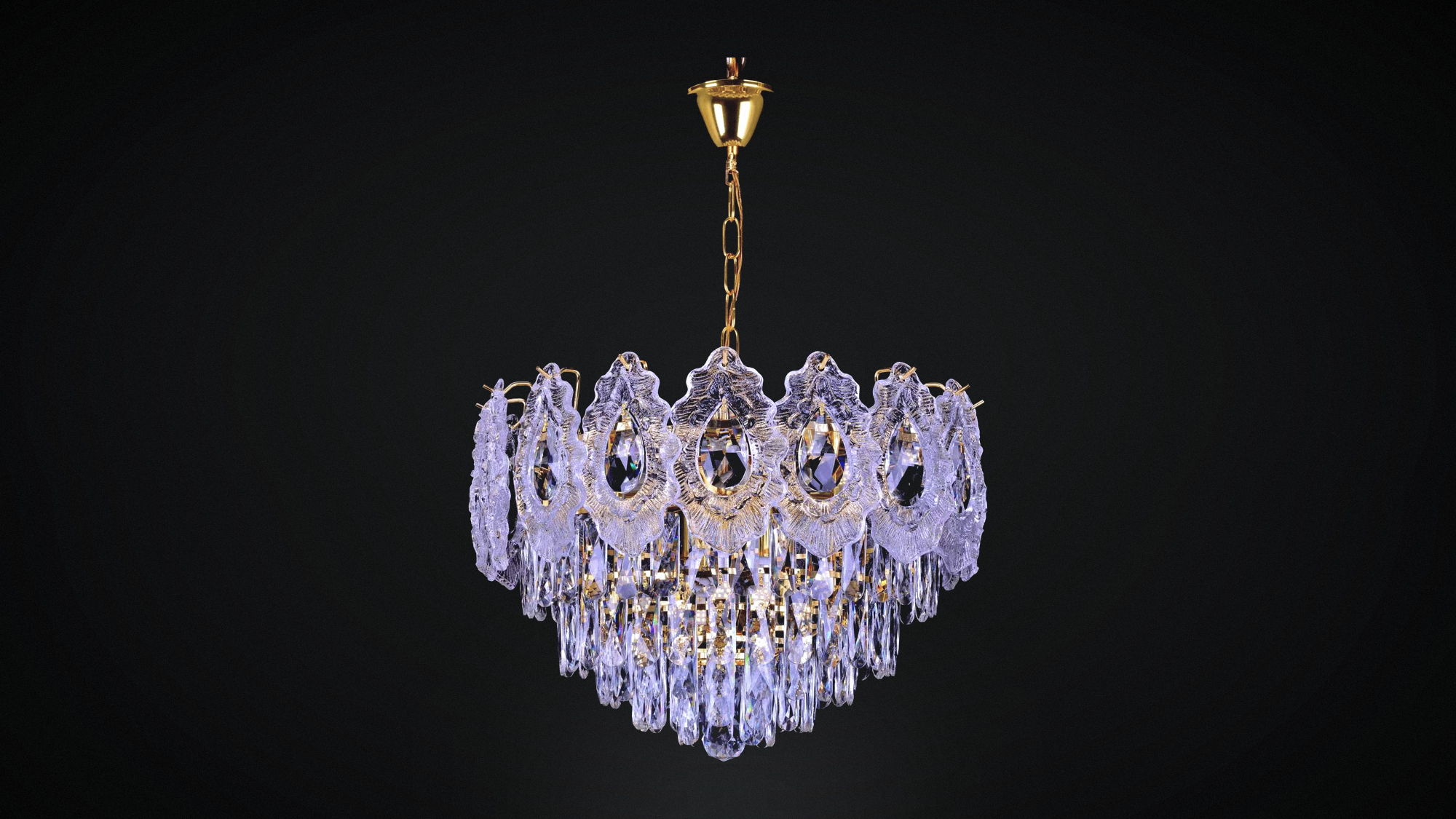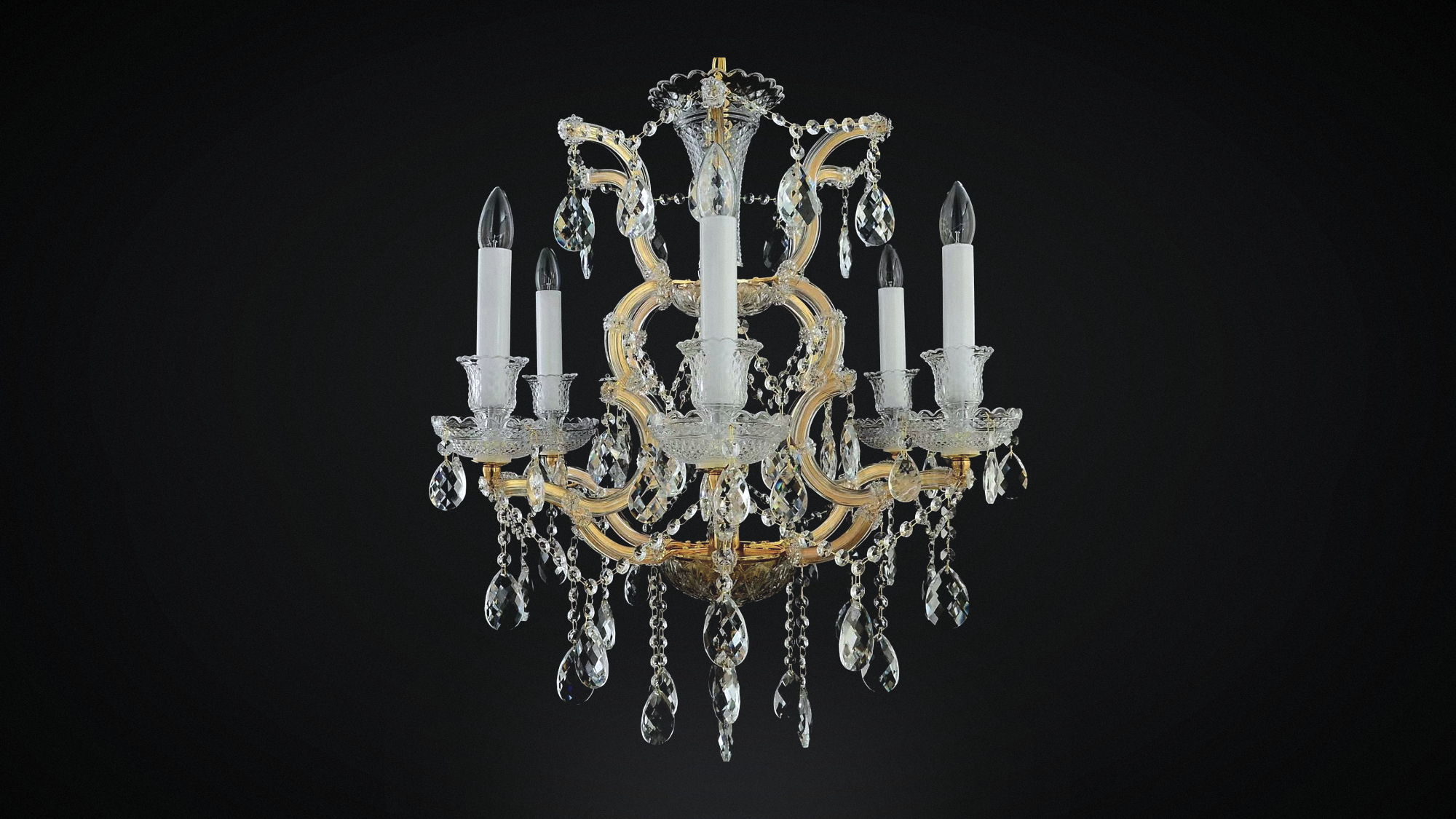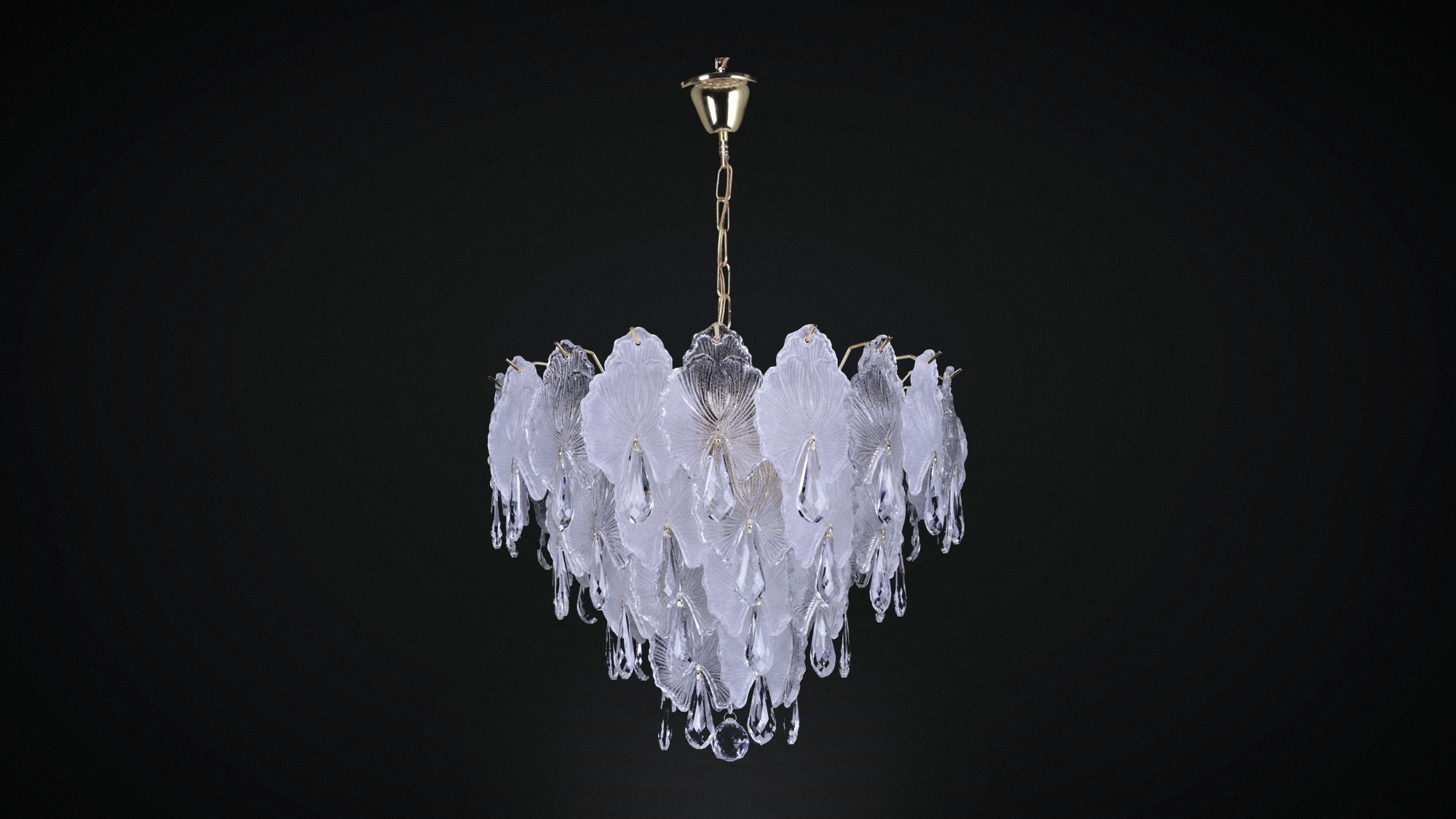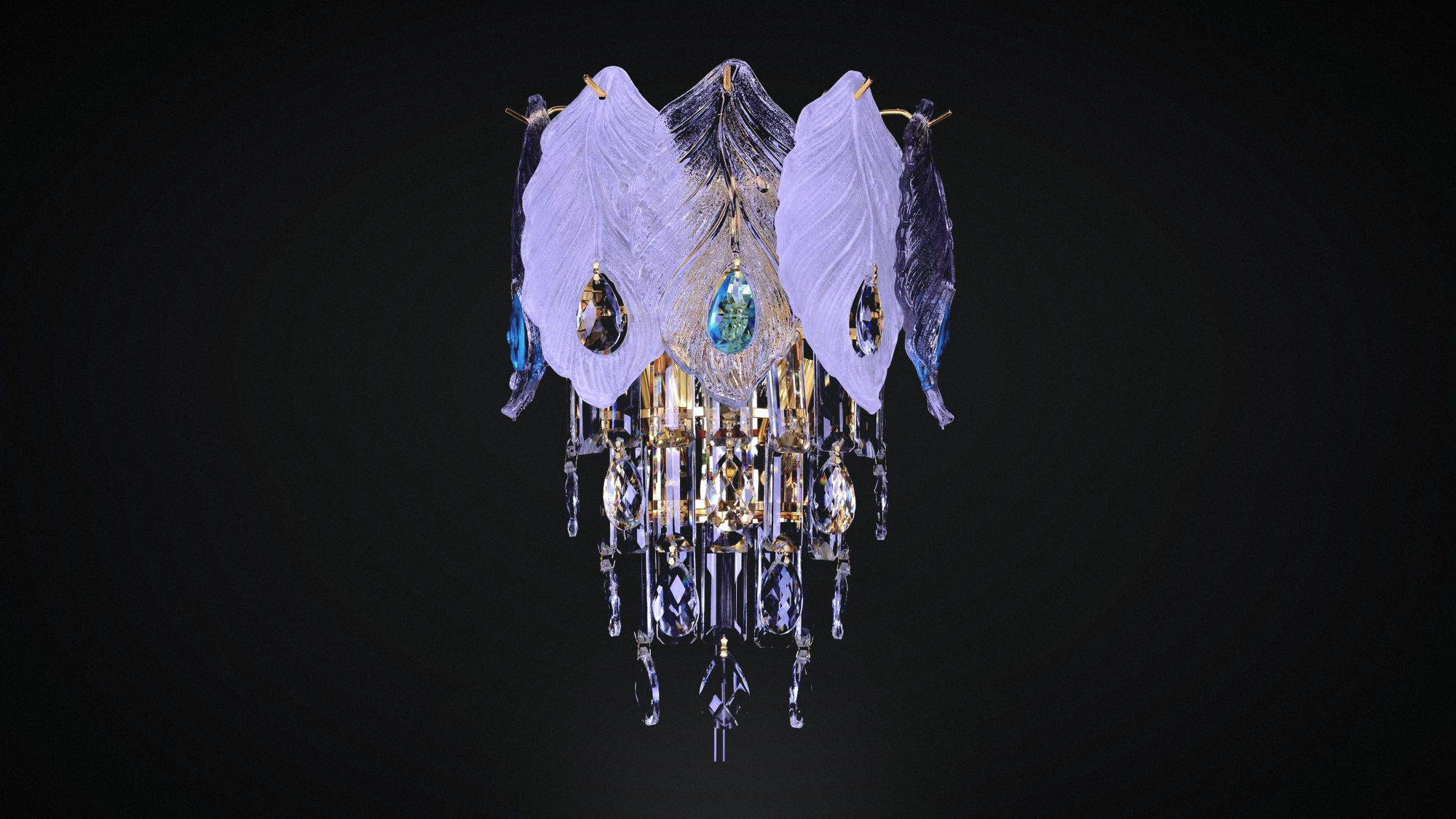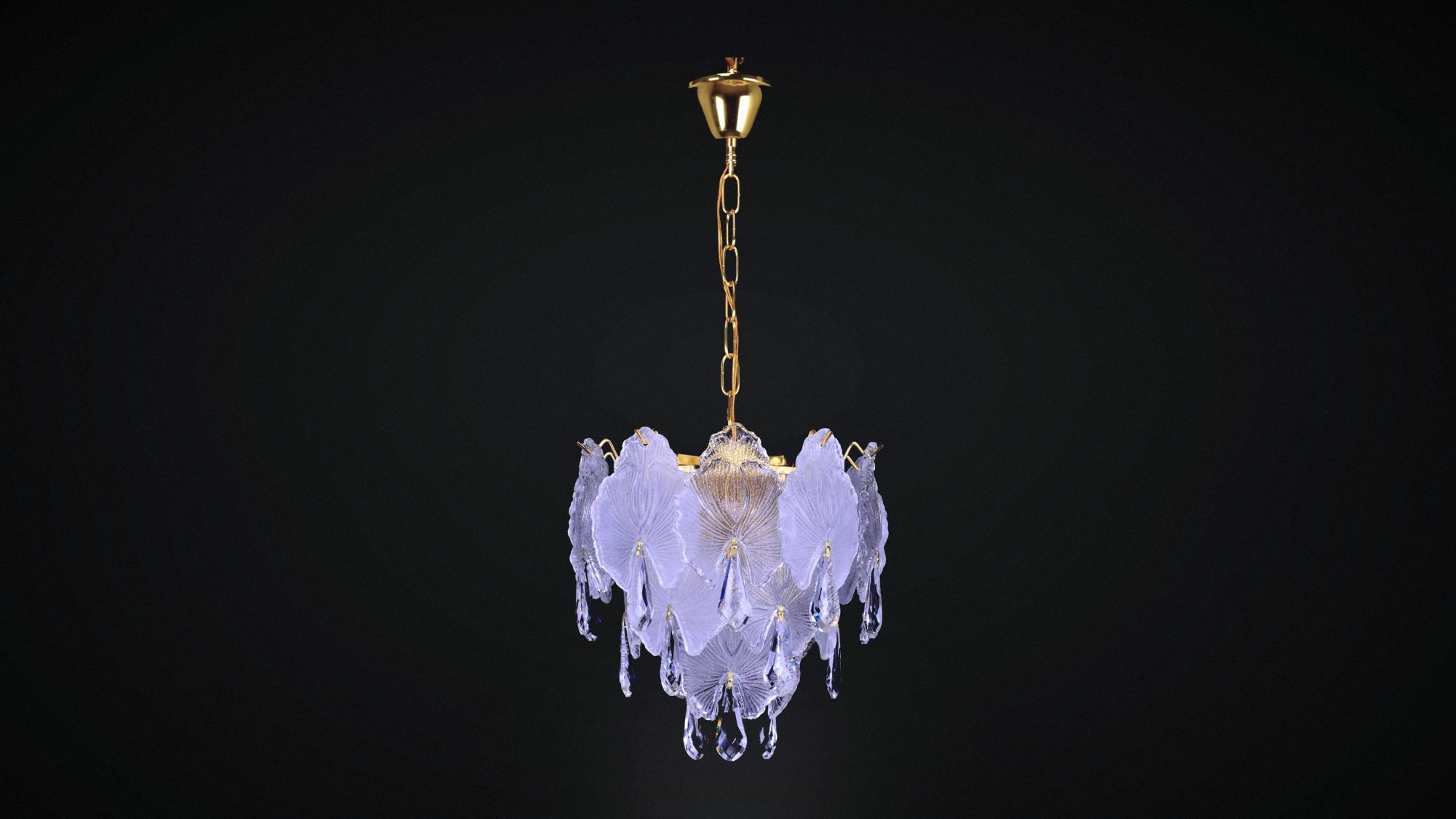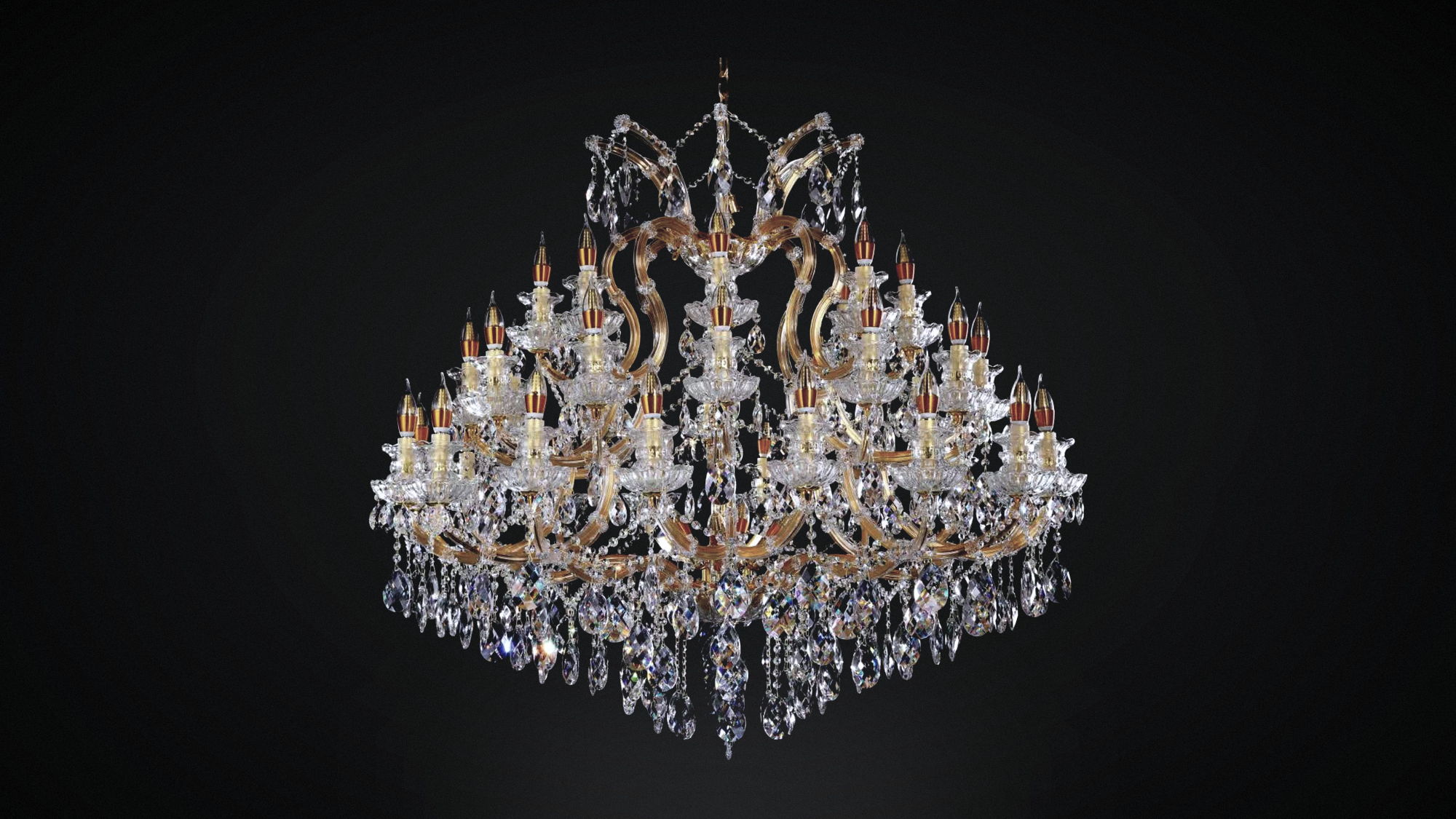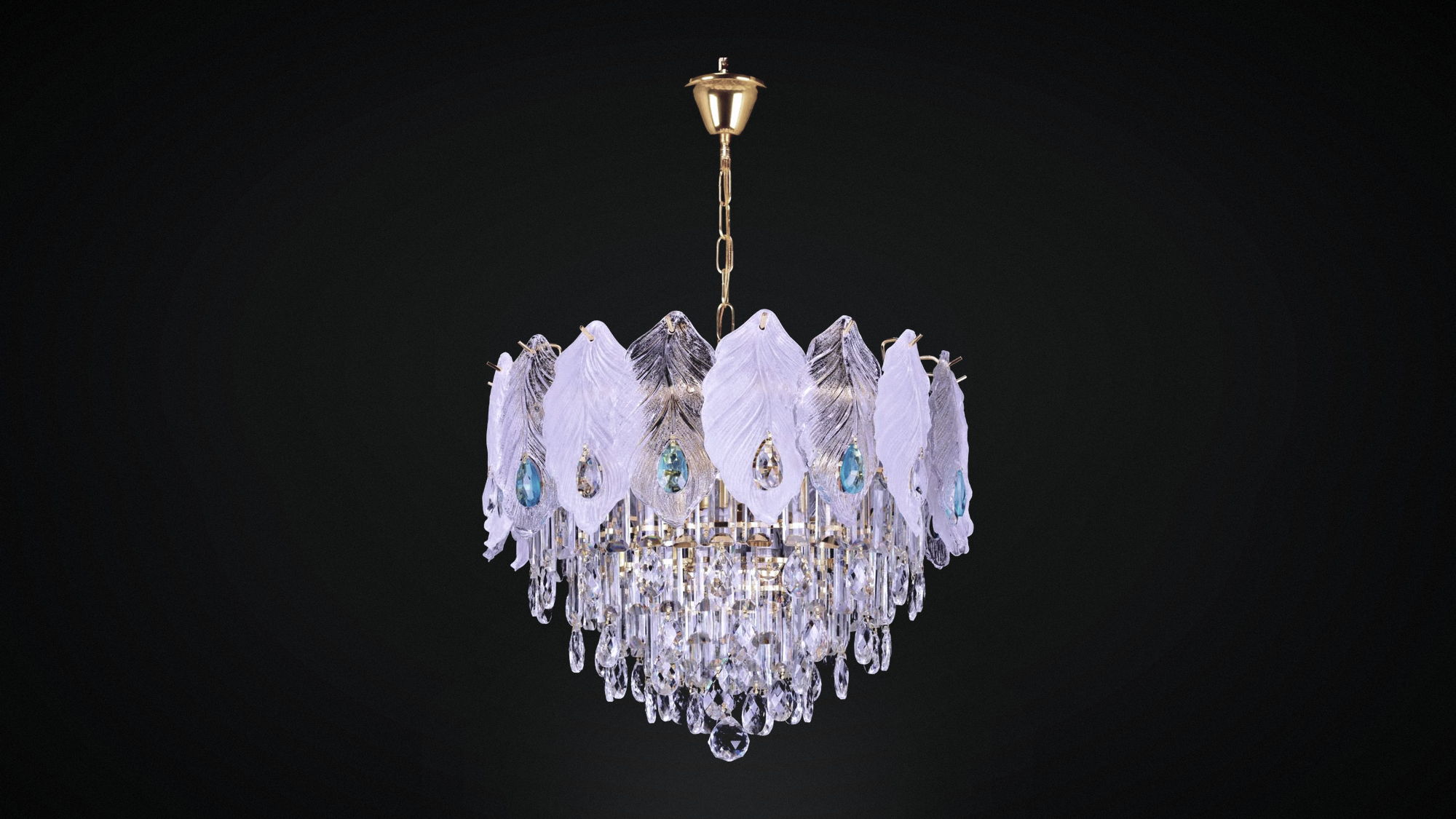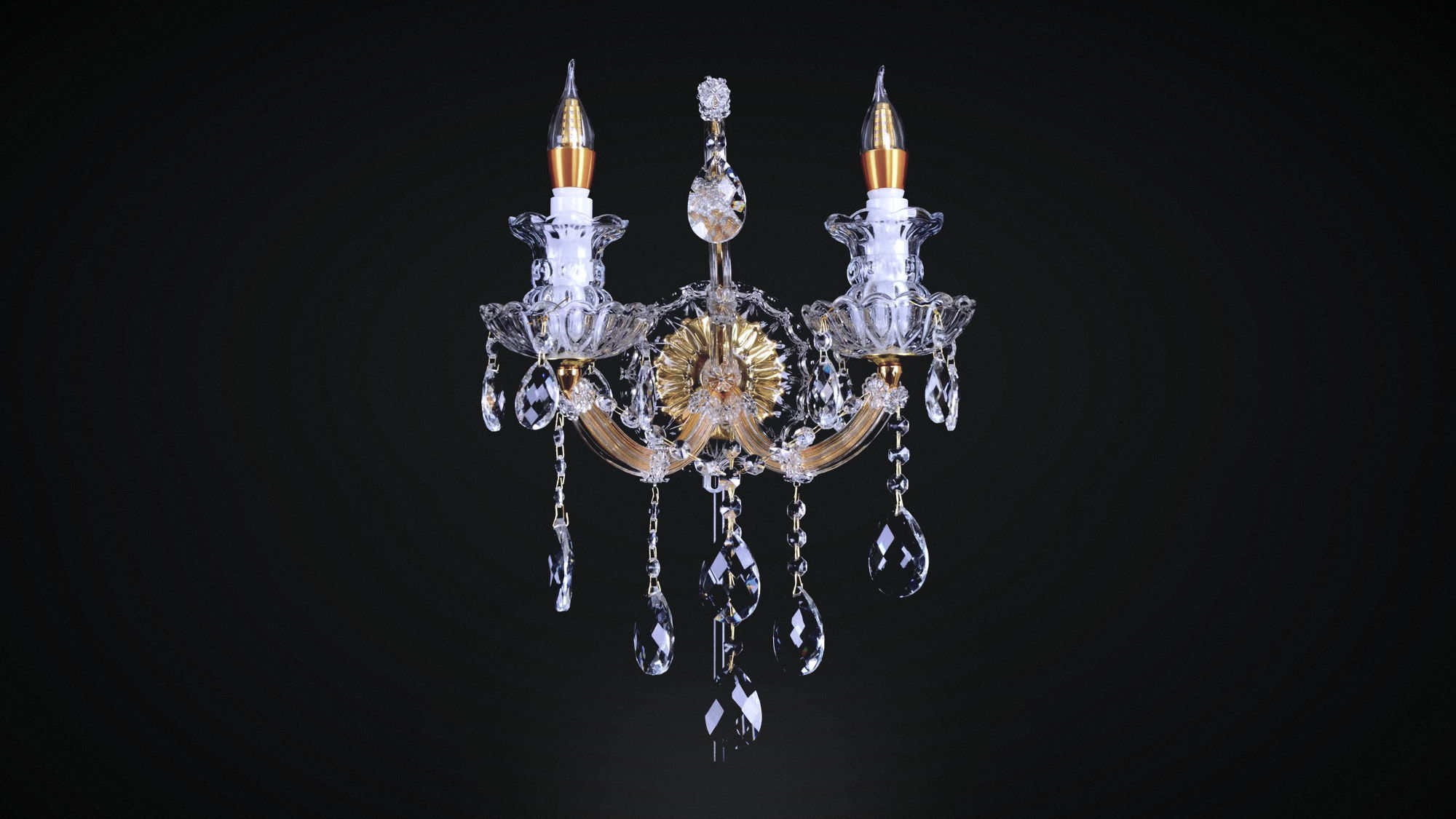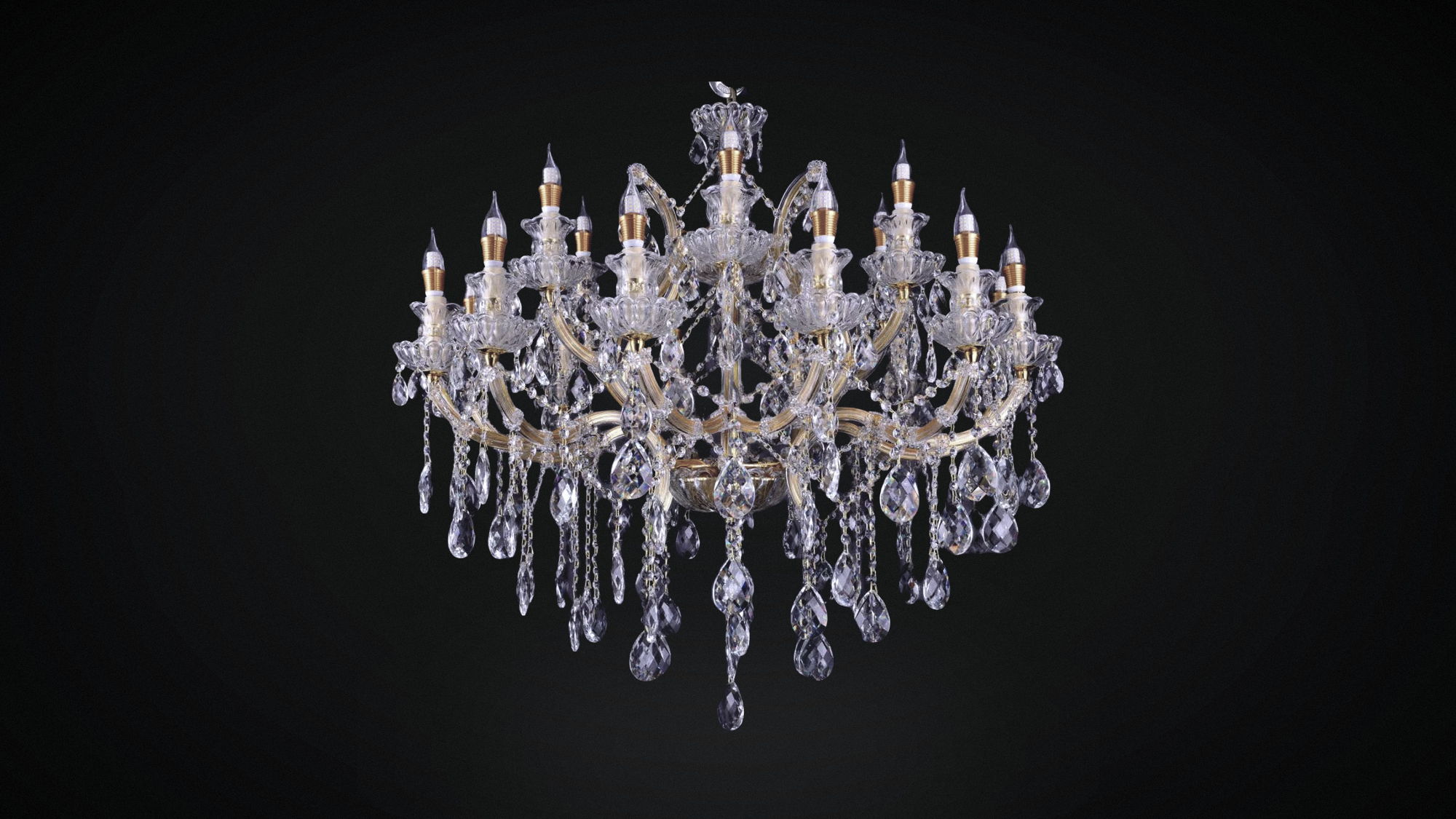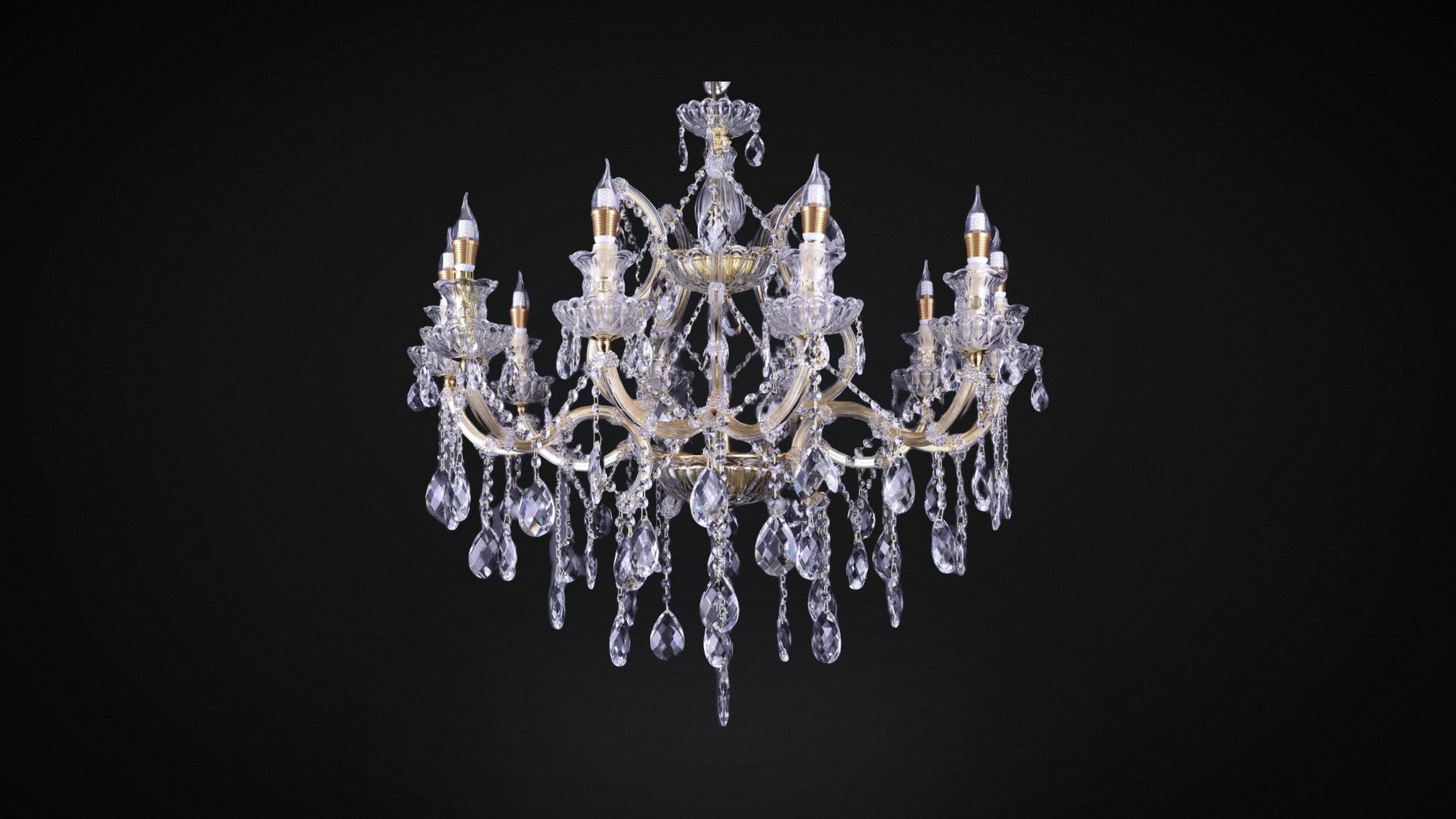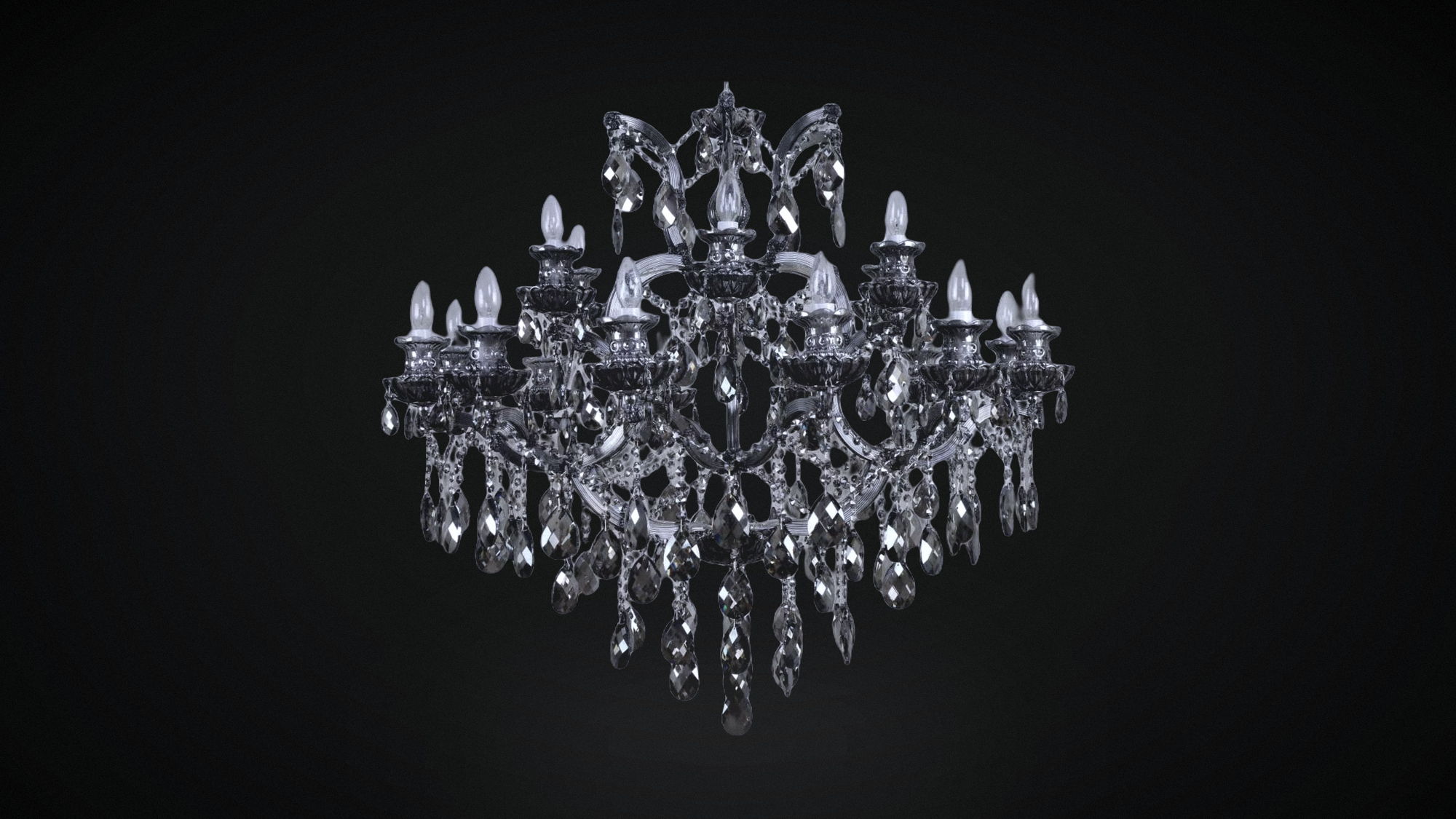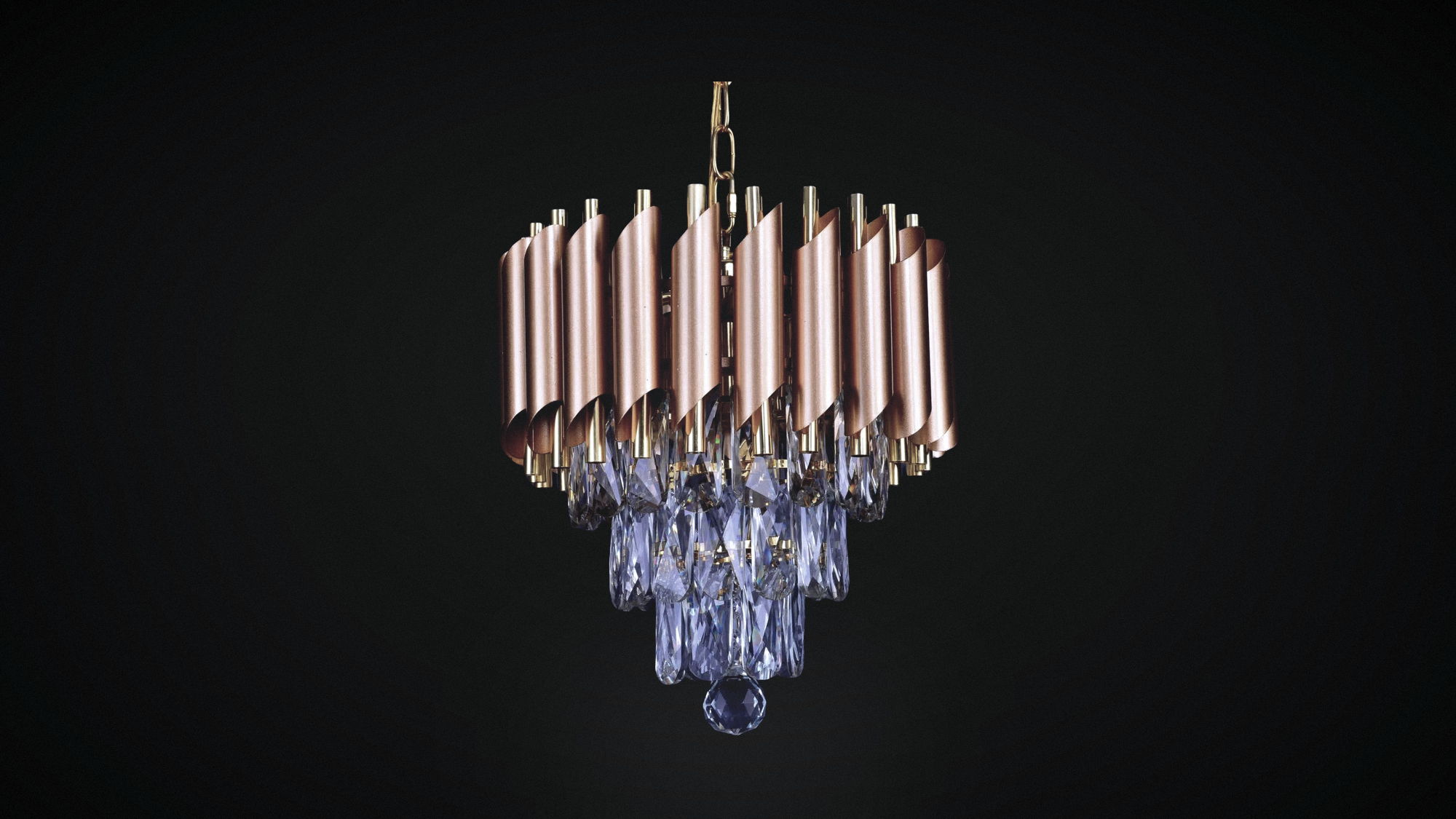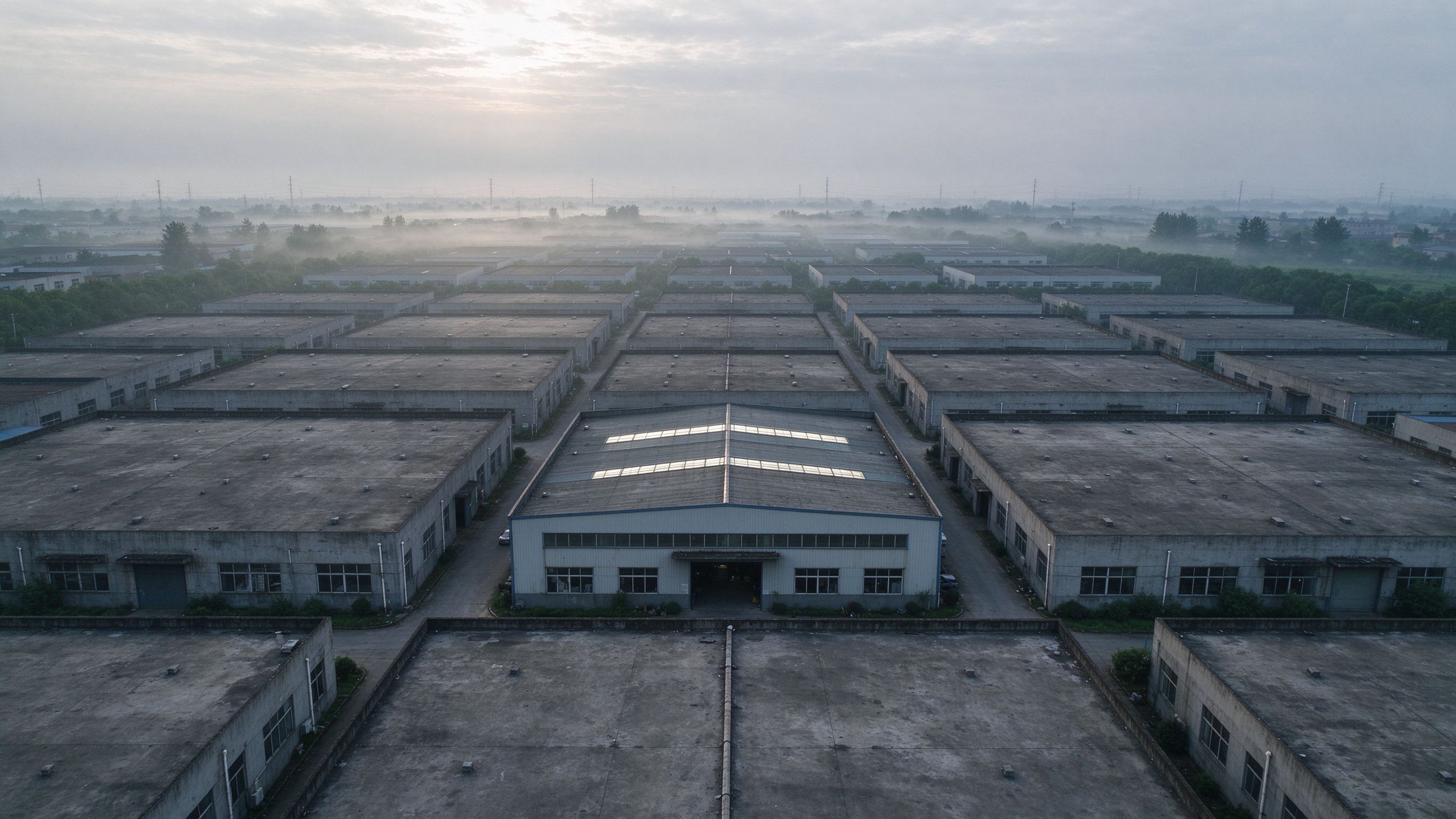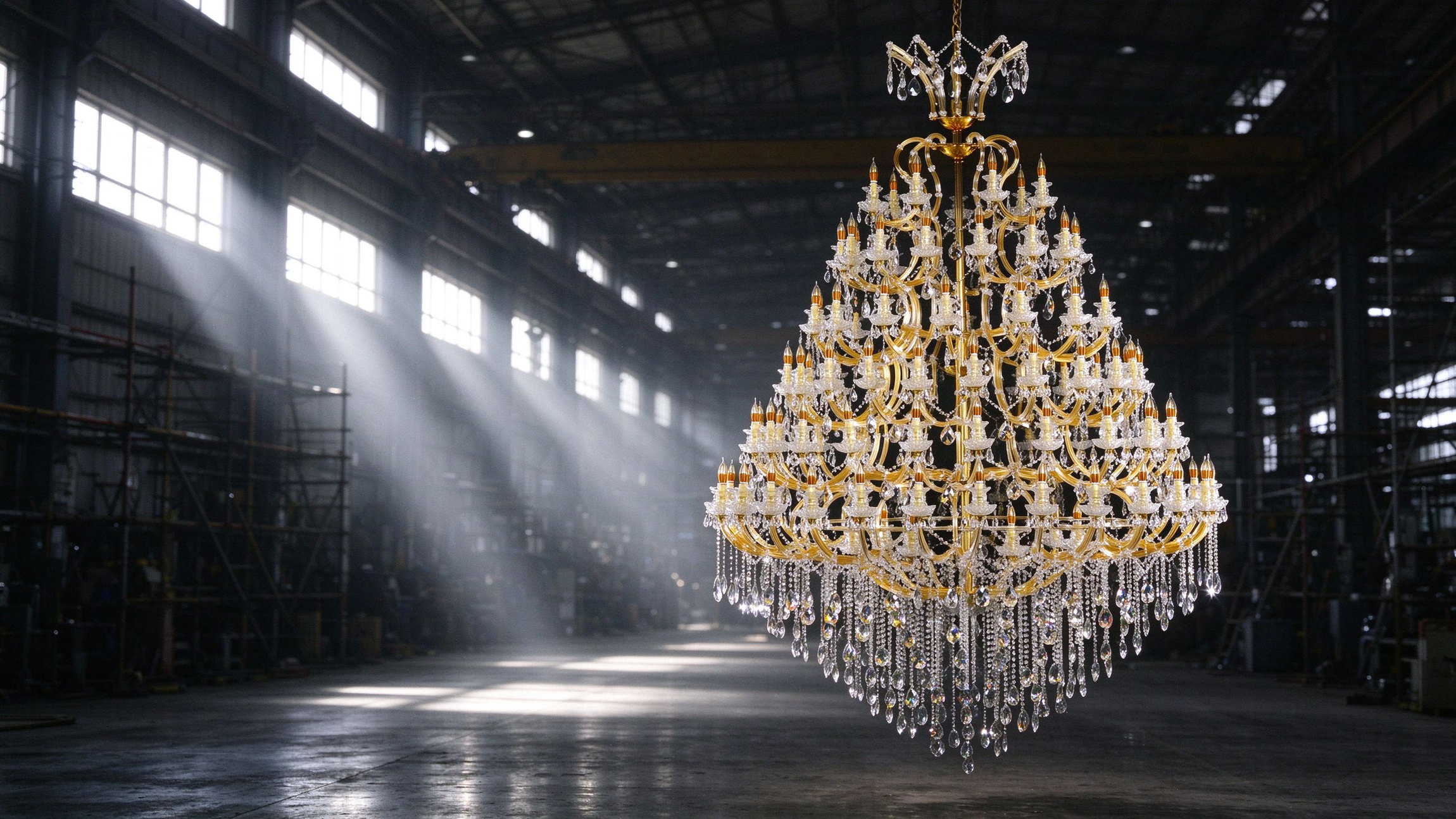
Crystal and brass chandeliers, engineered and assembled at one workshop in Guzhen — the lighting district of Zhongshan, Guangdong.

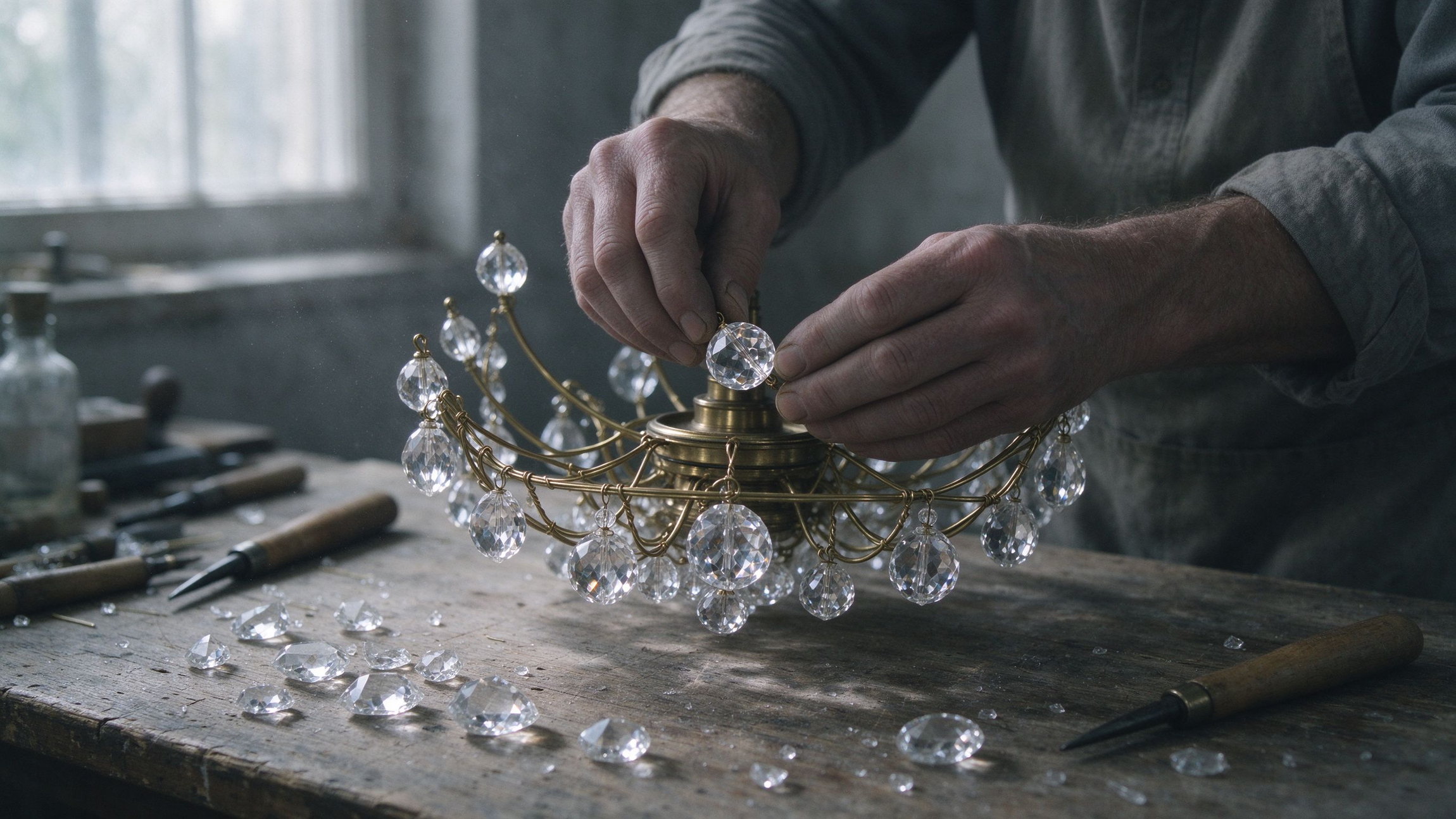
Prisms are strung by hand, one wire at a time.
Boya is not a trading office with borrowed photographs. Cutting, polishing, wiring and assembly happen inside a single building on Shunkang Avenue: a fixture passes through eleven pairs of hands before it is crated.
The parts that decide how light behaves — the cut of the prism, the thickness of the brass, the tension of the wire — are made here, by people we can name.
Prisms are hand-strung on tensioned wire, then weighed strand by strand so the fixture hangs level and the sparkle reads evenly from every side of the room.
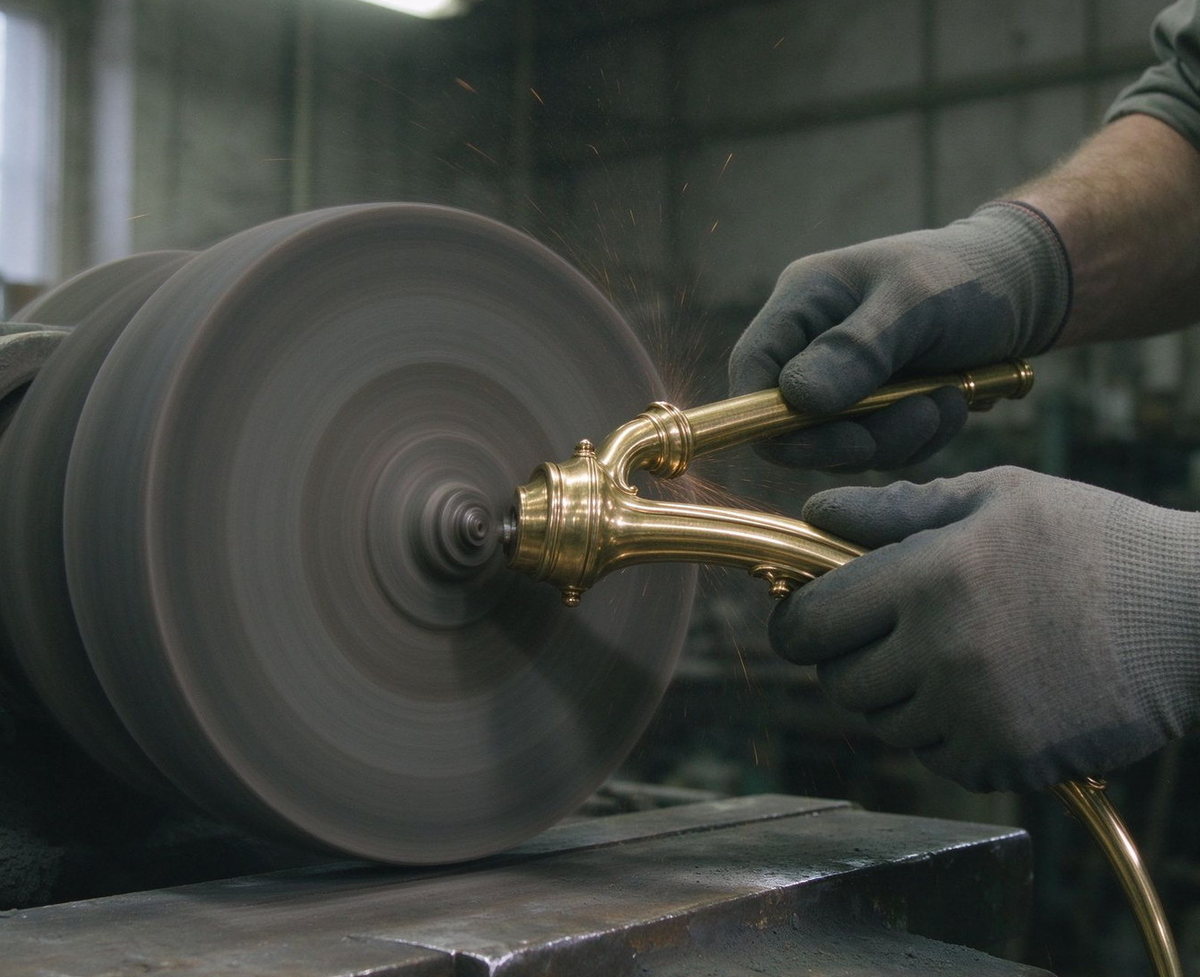
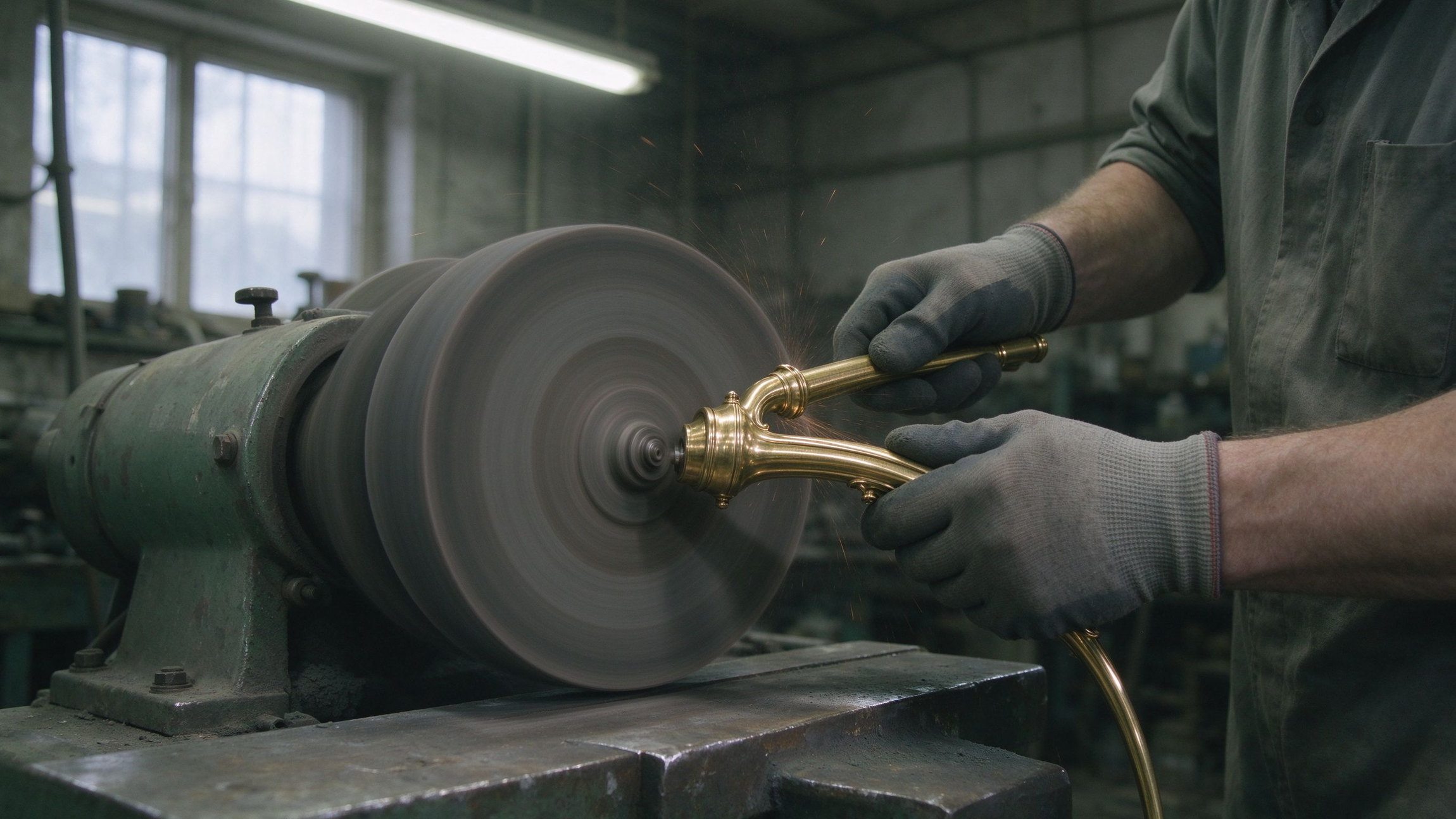
Casting, turning and polishing in-house. Gold, antique brass, bronze and matte black finishes are applied and inspected arm by arm, never batch-approved.
Custom fixtures are drawn before they are made: diameter, drop, ceiling interface and load, worked to the dimensions of a lobby, a ballroom or a nave.
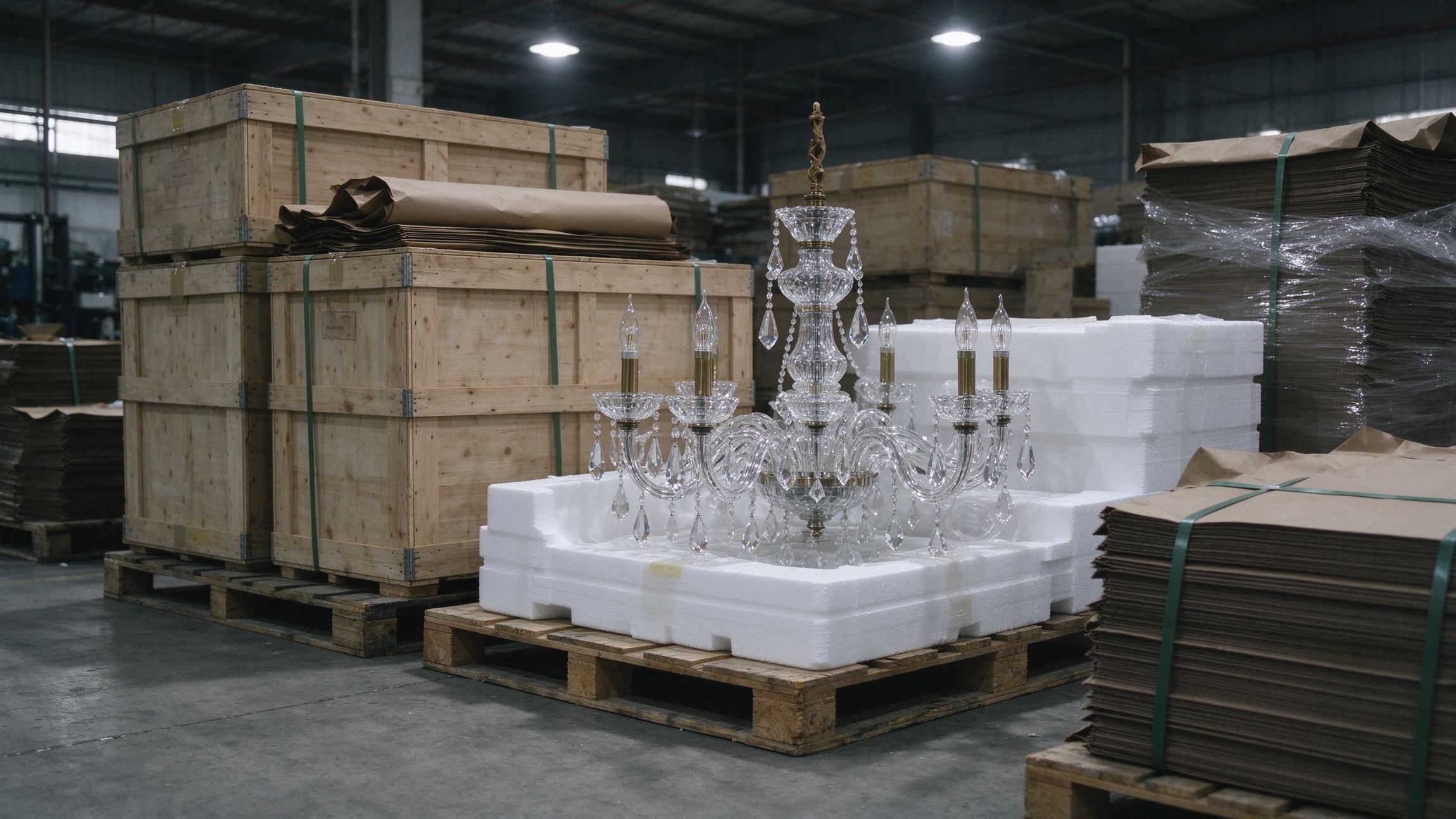
Every fixture is foam-mapped, drop-tested and crated against the drawing. Documentation, container loading and site schedules are handled from here.

Polished, lacquered and checked under a raking light before assembly.
The current book: crystal, pressed glass and brass, drawn to one set of rules. Every piece can be re-dimensioned for a room without redrawing it from scratch.
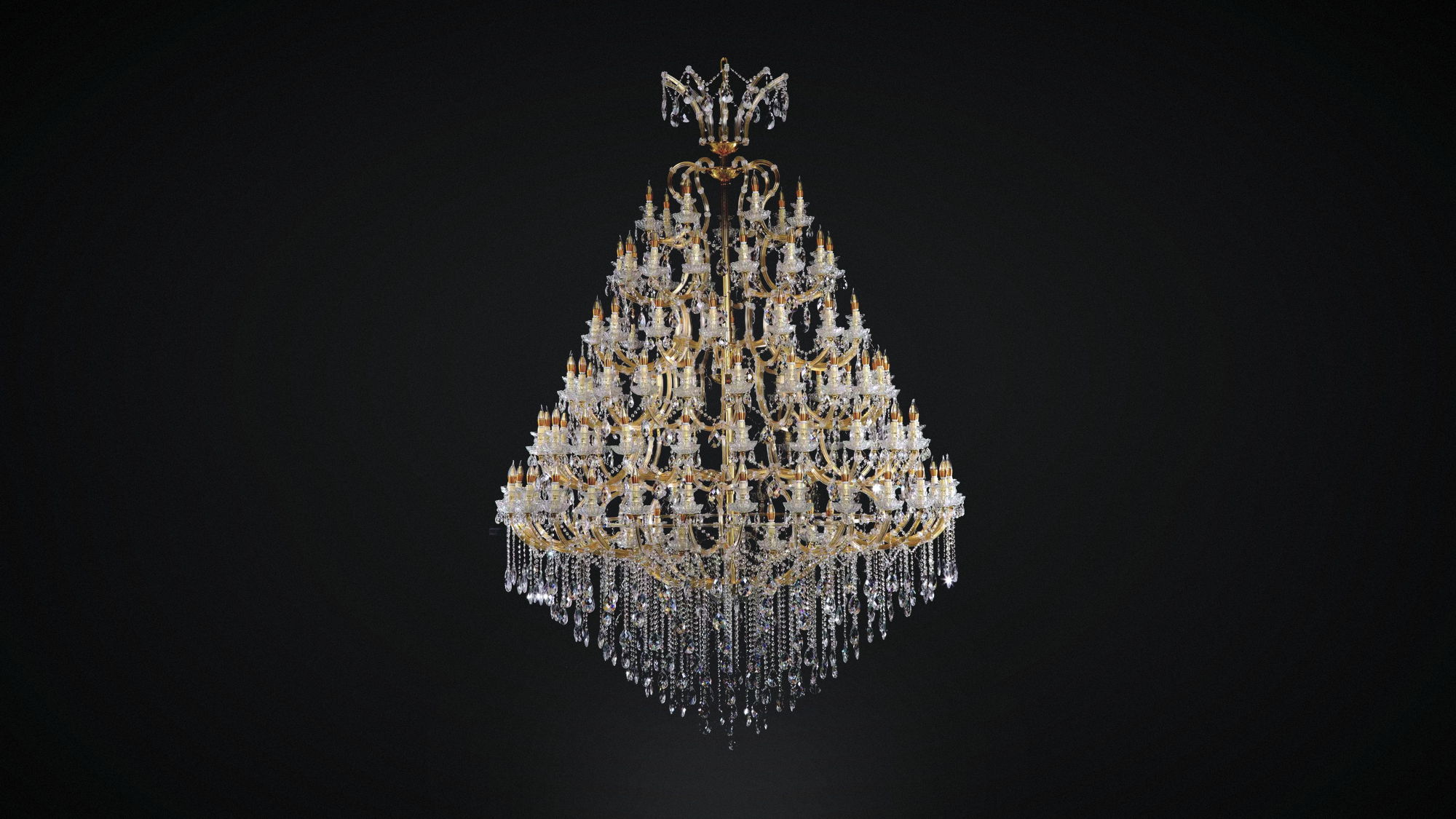
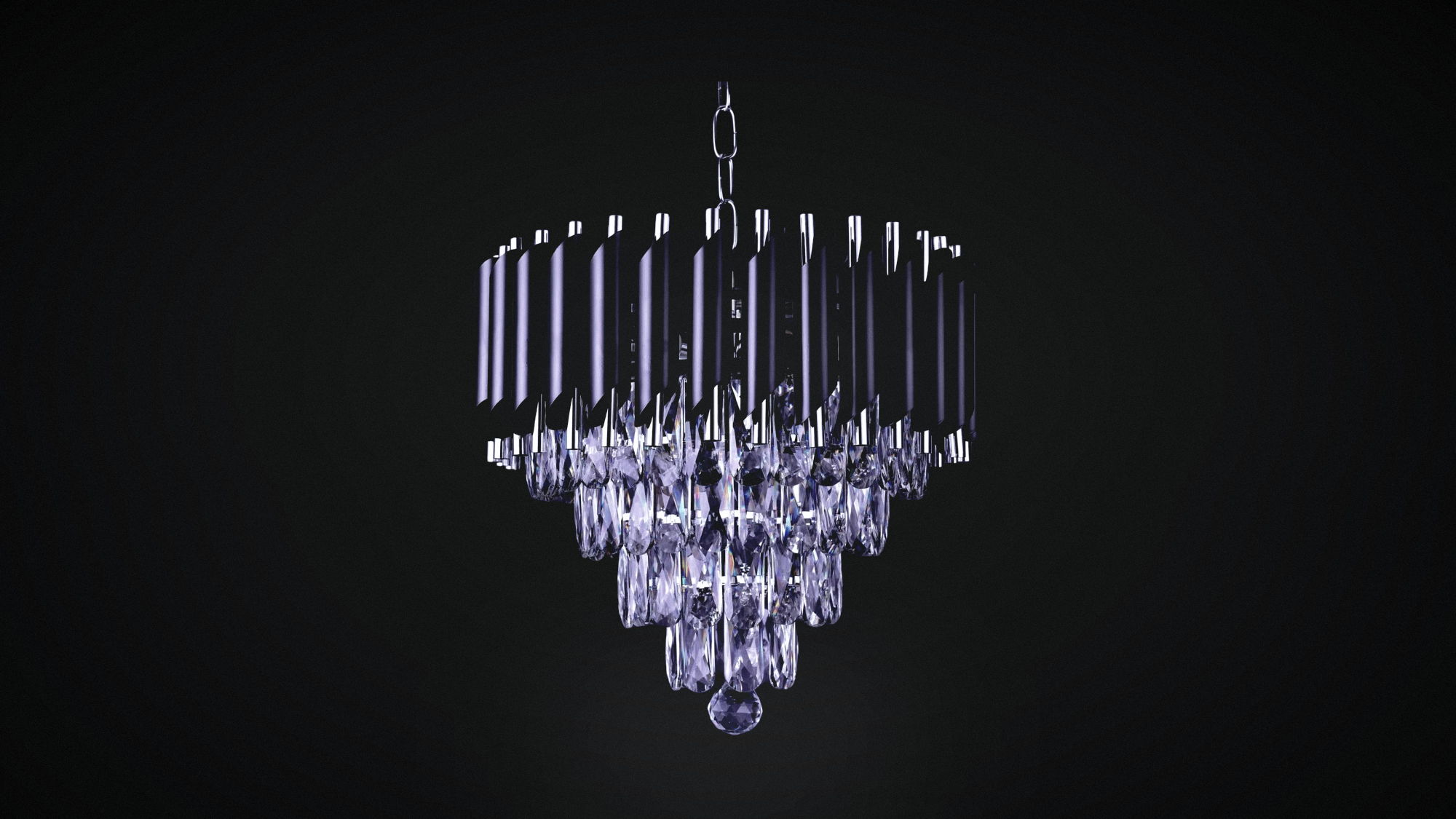
Tiered crystal — forty-eight points of light.
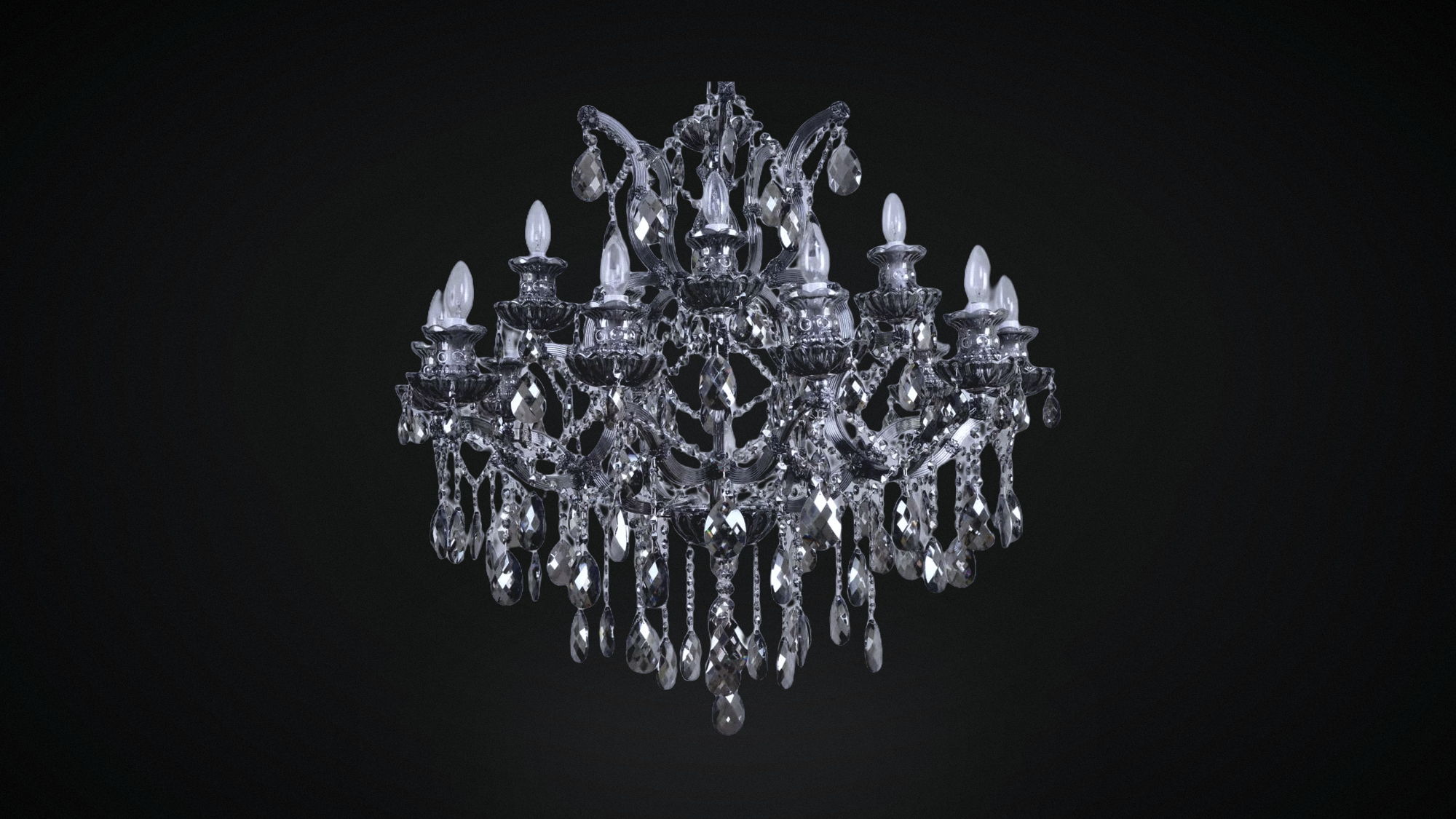
Palais · Nocturne · Pendant · Vault · Opera · Chateau · Atrium
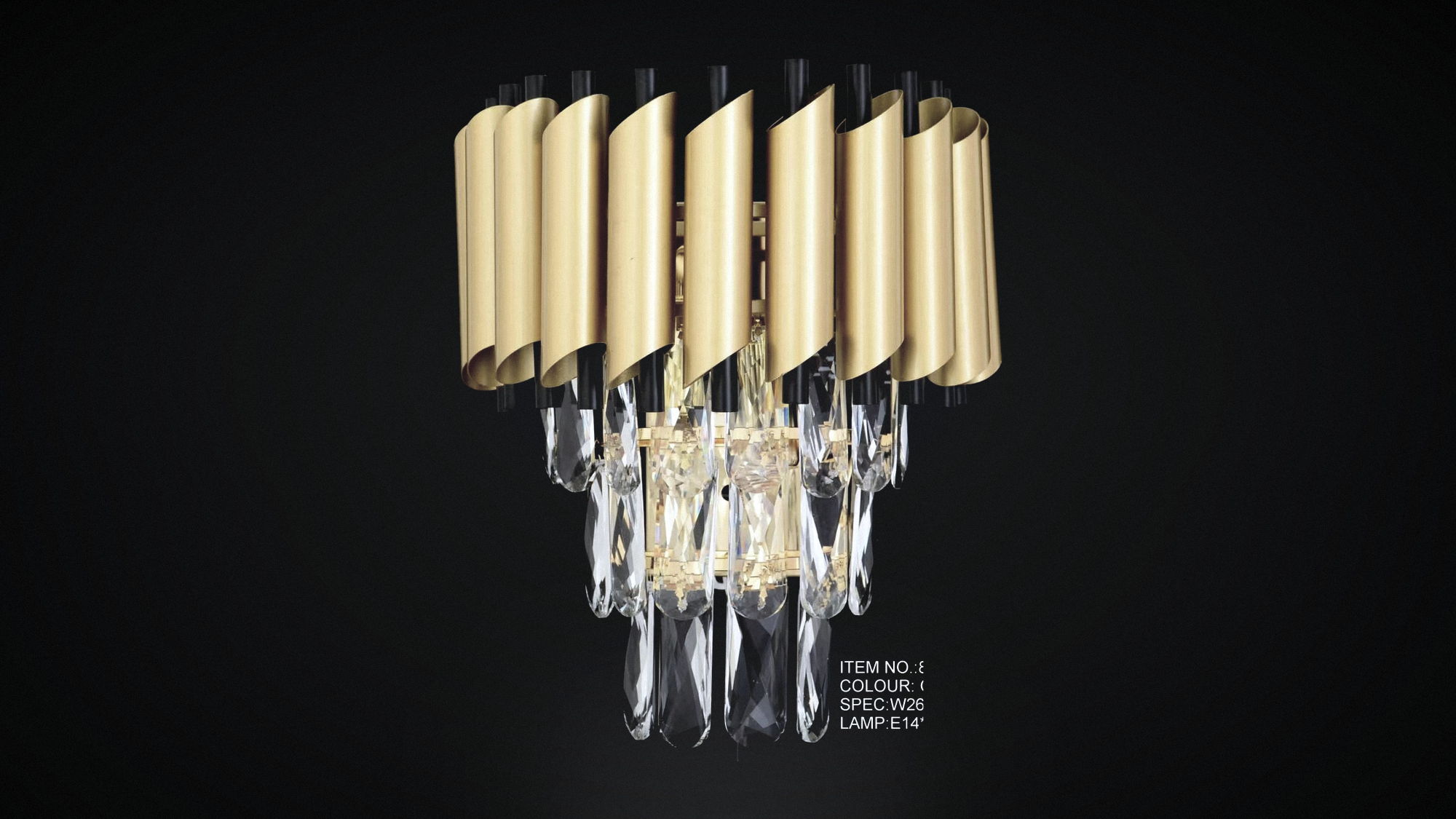
Colonnade · Galeria · Alcove · Vellum
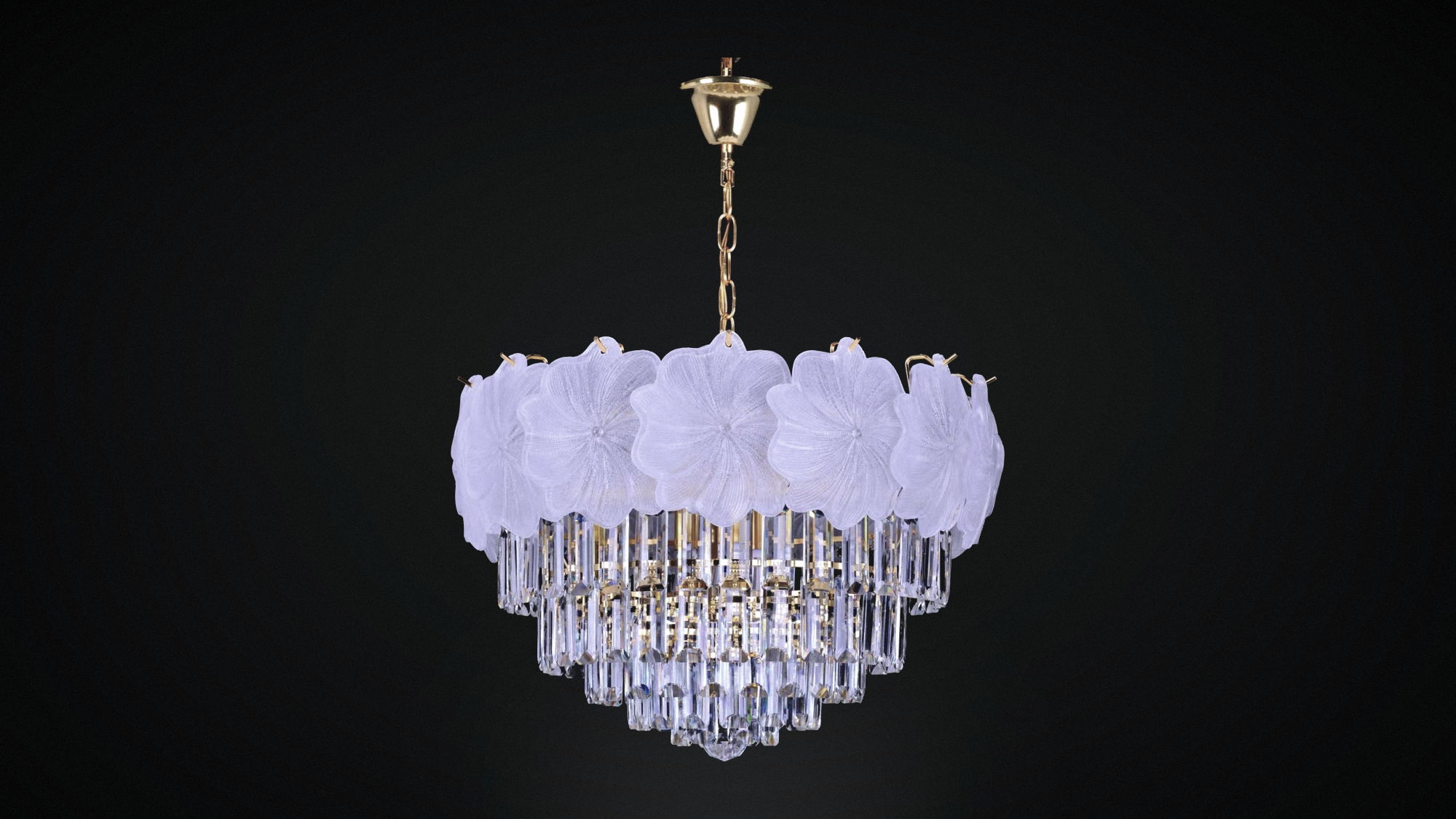
Blossom · Aurora · Lily · Fold
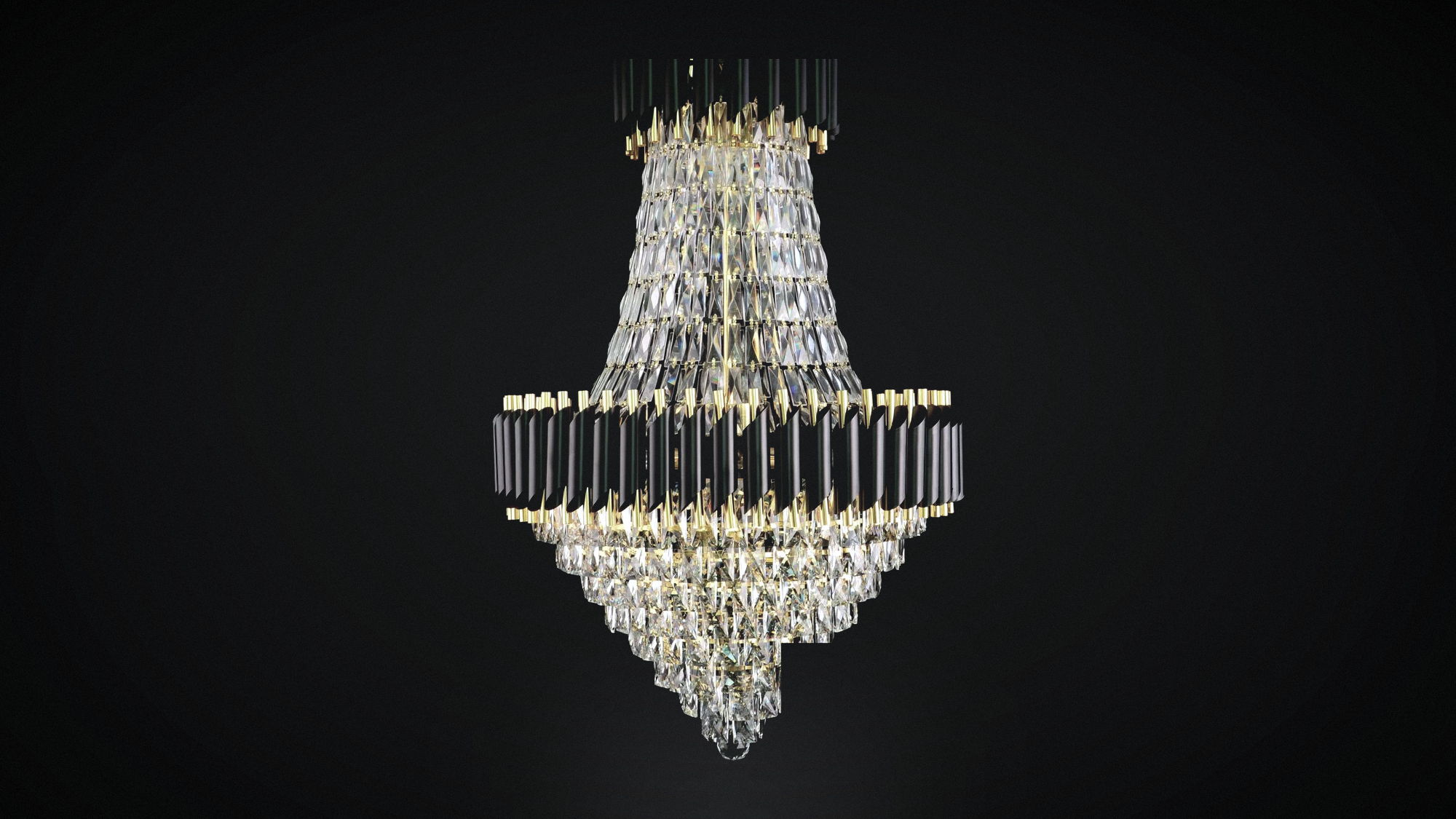
Noir · Ember · Umbra · Atelier

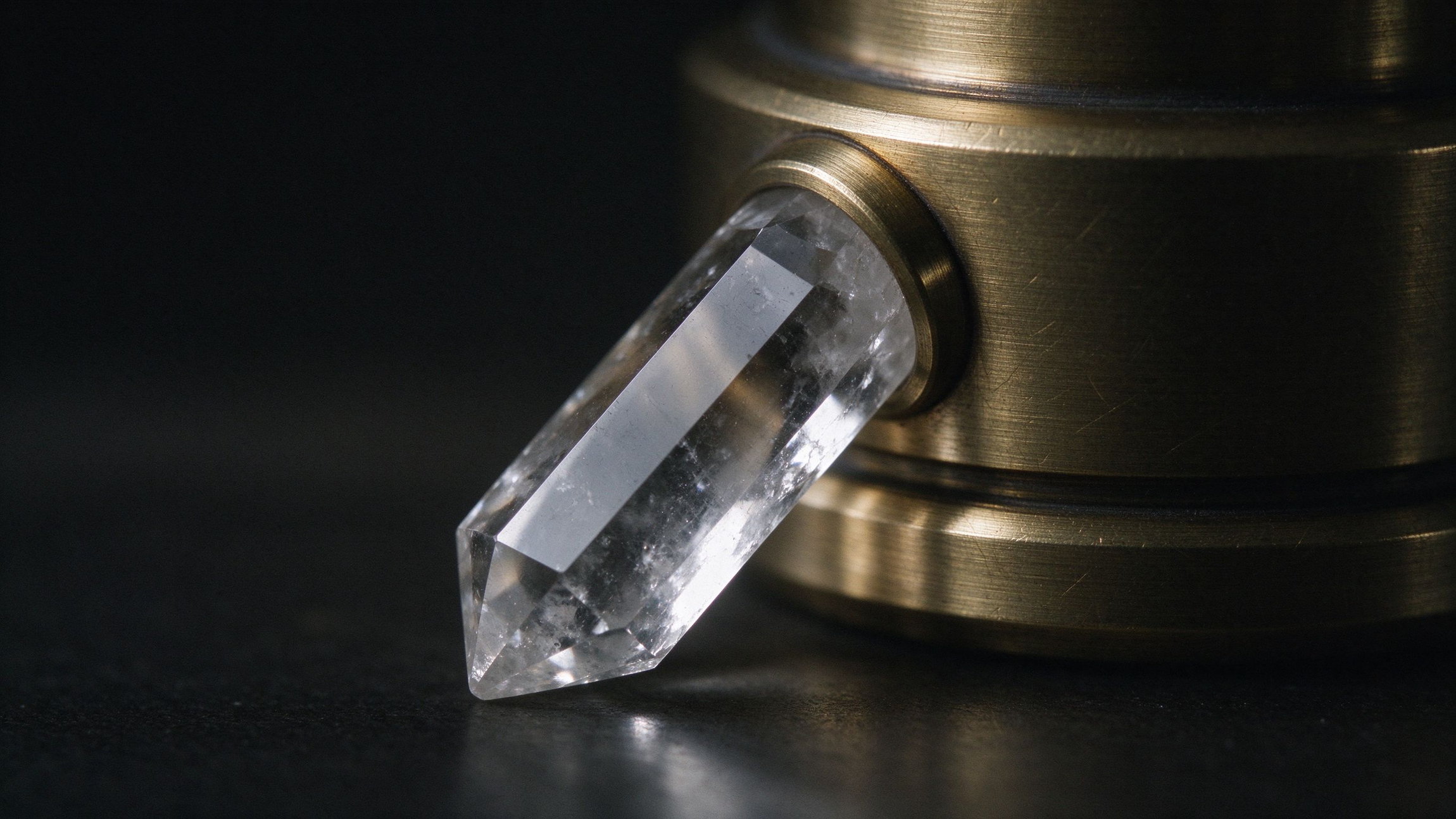
One prism, four hundred grams, checked against a light source by eye.

Nineteen glass patterns are held in moulds we cut ourselves.
Room dimensions, ceiling load, the drop the client actually wants. Diameter and light count are fixed on paper before a single part is ordered.
Brass arms are cast, soldered and trued on the bench. Anything that carries weight is checked against the drawing, not against a photograph.
Glass is cut and pressed in-house; prisms are graded for clarity, then strung by hand on tarnished wire so each drop hangs at the same length.
Every fixture is wired, then run for eight hours before it leaves the bench. Hot spots, flicker and earth continuity are recorded per unit.
Foam-mapped crates, container loading plans, a packing list and a photobook of the finished fixture — sent before the vessel sails.
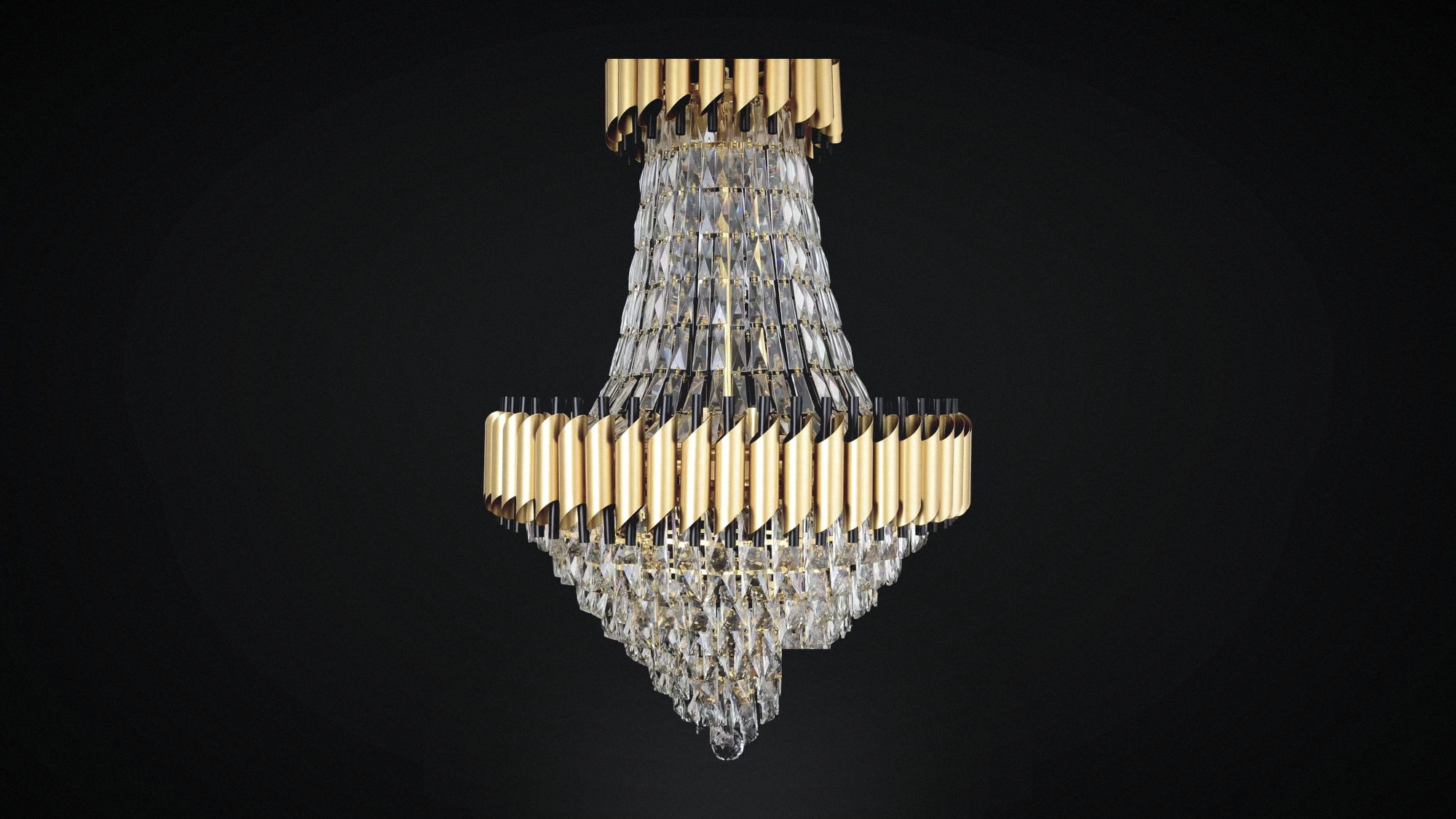
K9 blanks are ordered to clarity, then cut and polished on site. Prisms are weighed and grouped before stringing, so a cascade reads as one surface instead of forty drops.
Arms are cast, soldered and trued by hand, then finished in gold plate, antique brass or matte black. The frame is the part a client touches first and the part we replace last.
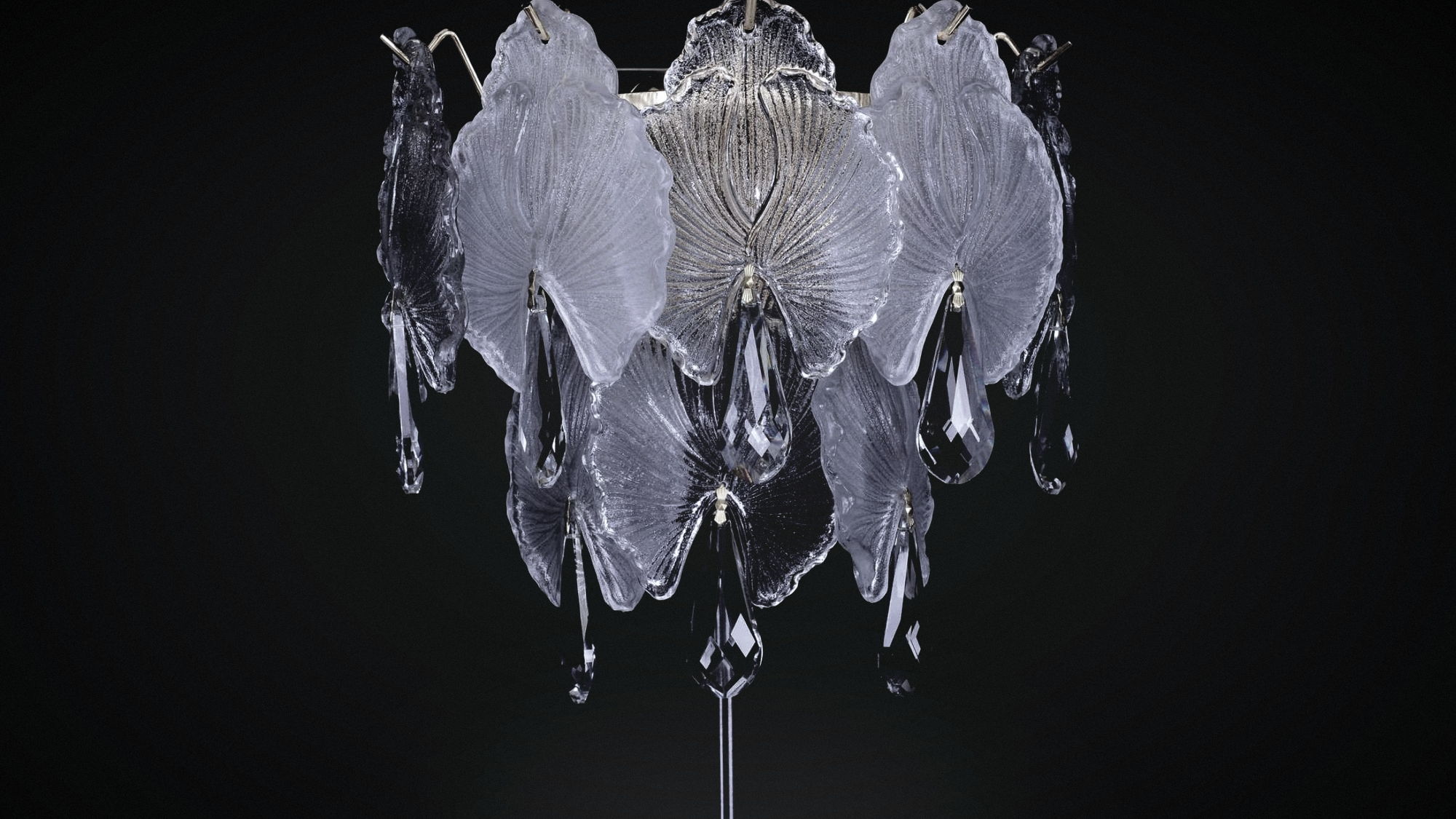
Nineteen petal and leaf patterns sit in moulds cut in the workshop. Colour is held in the glass, not painted on it, so the shade survives a decade of lamp heat.

The lighting district of Zhongshan — thousands of workshops on one grid of alleys.

Foam-mapped, drop-tested, and marked for the floor it will hang on.
The commercial side of the same work — quoted in the currency you buy in, shipped on the schedule you plan against.
Room dimensions, a photograph, the finish you have in mind. A quantity and a delivery port shorten the answer; a rough idea is enough to start.
A scaled elevation comes back with the drop, the diameter and the light count marked, priced per piece and per crate.
Drawing signed, finish confirmed, deposit received. The production slot is booked the same day — not when the deposit clears the bank.
Cast, cut, strung, wired and soak-tested. Progress photographs go out at frame stage and at assembly, unprompted.
Every unit is powered for eight hours and photographed lit and unlit. Test sheets, a packing list and a loading plan travel with the file.
Crates are numbered to the floor they will hang on. The container plan is agreed with your forwarder before the truck arrives.
Wiring diagrams for your electrician, spare prisms by the dozen, and a five-year warranty on frame and finish.
Certification, voltage and plug type are set per market before production — the fixture is wired for the country it is going to, not for the catalogue.
Yes — with a dimension on it. A photograph tells us the shape; the ceiling height, the room width and the finish tell us what to build. We send back a drawing for approval before any part is cut.
One piece for a form already in the book. A new drawing carries a five-piece minimum, because the moulds and templates are made for that form alone.
Twenty-five to forty days from approved drawing, depending on the glass pattern and the finish. Repeat orders run shorter — the tooling is already on the shelf.
No. Lamps travel separately to keep weight and breakage down, and are bought locally to the market's voltage and cap. The socket type is confirmed on the drawing.
CE and RoHS as standard; ETL and SAA for North America and Australia on request. Test reports are issued per order, not copied from an old file.
Foam-mapped crates on pallets, loaded against a container plan. We send photographs of the packed crate and the loading list before the vessel sails.
Dry, with a soft brush and a lint-free cloth — water leaves a film on cut crystal. For a full wash, remove the prisms, rinse in warm water with a drop of washing liquid, and dry flat before rehanging.
Spare prisms, arms and sockets stay in stock for the forms we still make. Send the item number from the drawing and the part is cut to the same measurement, not to the nearest standard.
Zhongshan Boya Lighting Co., Ltd
中山市柏雅灯饰有限公司
Building A, 2F, No. 57 Shunkang Avenue,
Shuncheng Industrial Zone, Gu’er,
Guzhen, Zhongshan, Guangdong, China
91442000325048010N
Jing Hong